
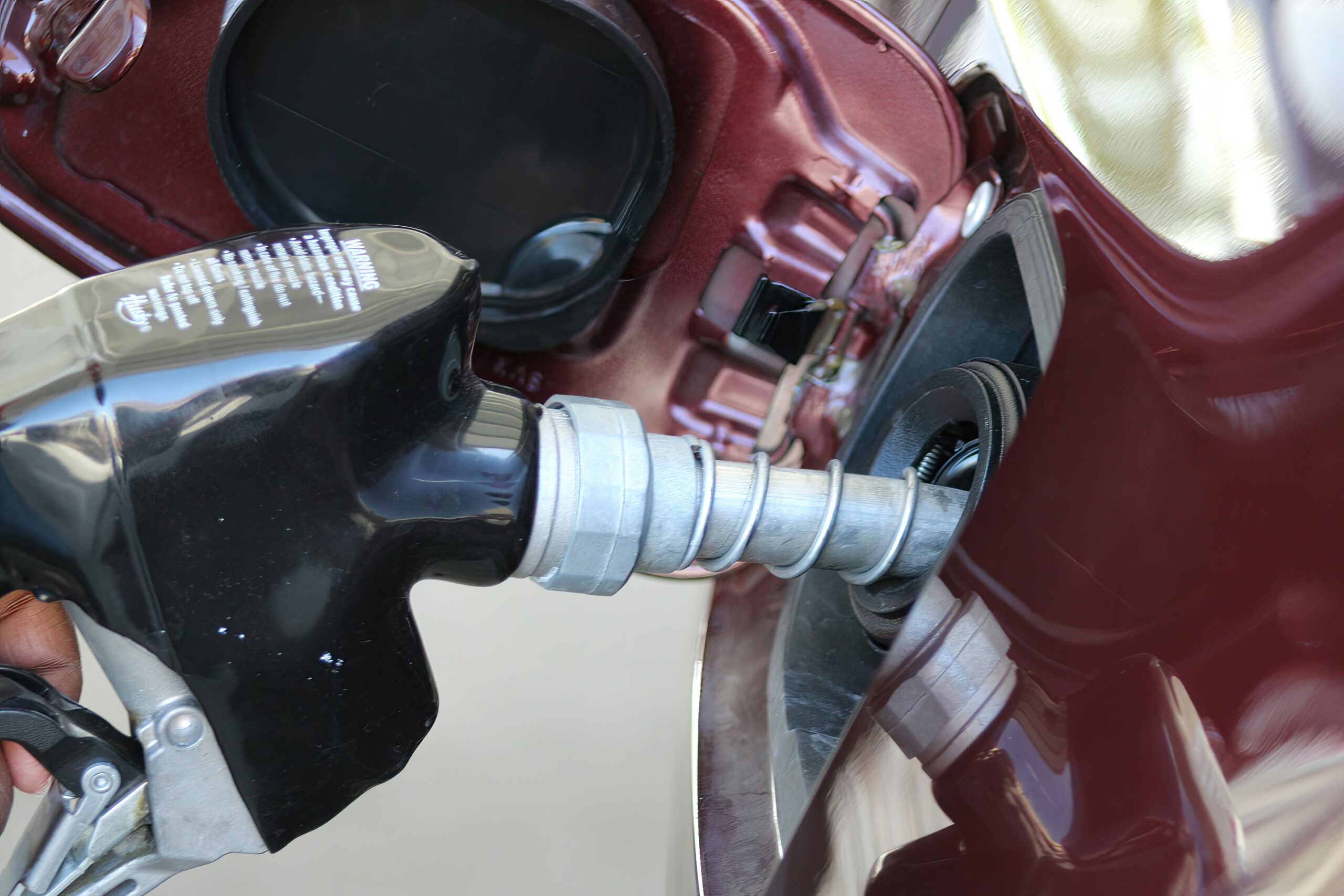
Ask any group of drivers whether pouring in a tank of premium gasoline “cleans out” carbon buildup, and you’ll get two very confident, very opposite answers. It’s one of the most argued-about questions in car forums — and the honest answer is more nuanced than either side wants to admit. For workshops, understanding the real science matters, because customers will ask this question before they ever ask for a professional cleaning service.
Where the Myth Comes From
The confusion starts with a real fact: some premium fuels do contain a higher concentration of detergent additives than the minimum required by regulation. Fuel marketers lean on this heavily, implying that a higher octane rating itself has cleaning power. It doesn’t. Octane rating measures a fuel’s resistance to engine knock — it has nothing to do with detergency. The cleaning ability comes entirely from the additive package blended into the fuel, which is a separate specification from octane.
Some brands do meet the TOP TIER™ Detergent Gasoline standard, a voluntary program (backed by several vehicle manufacturers) that sets a higher minimum detergent level than government requirements. That’s a real, measurable difference — but it exists at both regular and premium octane levels from participating brands. In other words: the detergent quality depends on the brand’s additive package, not on whether you chose 87 or 93 octane.
Why Fuel Detergents Can’t Fix the Real Problem
Even with a strong detergent package, fuel additives can only clean what the fuel actually touches. On a traditional port-injected engine, that includes the injectors and the intake valves, since fuel is sprayed near them. But detergents travel through the fuel system and combustion chamber — they cannot reach hardened deposits that have already baked onto a surface, and they do nothing for oil-derived carbon deposits that build up from crankcase vapors rather than from fuel.
That second point is the real issue for most modern engines. As we’ve covered before, carbon build-up in modern engines comes from a combination of combustion residue, oil vapor recirculated through the PCV and EGR systems, and normal operating temperatures baking that residue into a hard shell — not from the fuel itself being “dirty.” No fuel additive, however premium, travels through the intake tract, the EGR valve, or the turbocharger housing where these deposits actually form.
(Internal link opportunity: point this sentence to your existing “Carbon build-up in the car: Causes, symptoms and solutions” post and your EGR valve guide — both explain deposit formation in more depth.)
So What Actually Works?
Based on what detergents can and can’t do, here’s the honest breakdown for customers:
- Premium fuel with a strong detergent package (TOP TIER-certified): Helps prevent new deposits from forming on injectors and directly fuel-washed surfaces. Genuinely useful for long-term maintenance.
- Premium fuel as a one-time “fix”: Does nothing measurable for existing hardened carbon deposits. This is the core of the myth — it’s a prevention tool being marketed as a cure.
- Fuel system cleaner additives (poured into the tank): Slightly more concentrated detergent, similar limitation — can’t reach deposits outside the fuel path.
- Professional intake and carbon cleaning service: The only method that directly targets deposits already formed on intake valves, ports, EGR valves, and turbo components — because it treats the affected surfaces directly rather than relying on fuel flow to reach them.
The Takeaway for Your Customers
Premium fuel isn’t a scam, but it’s not a magic fix either — it’s a prevention habit, not a cure. Once carbon has hardened onto intake valves or EGR components, no amount of fuel additive will remove it. That’s a mechanical problem that needs a mechanical (or professional chemical/laser) solution — which is exactly the service gap a workshop can fill.
.