
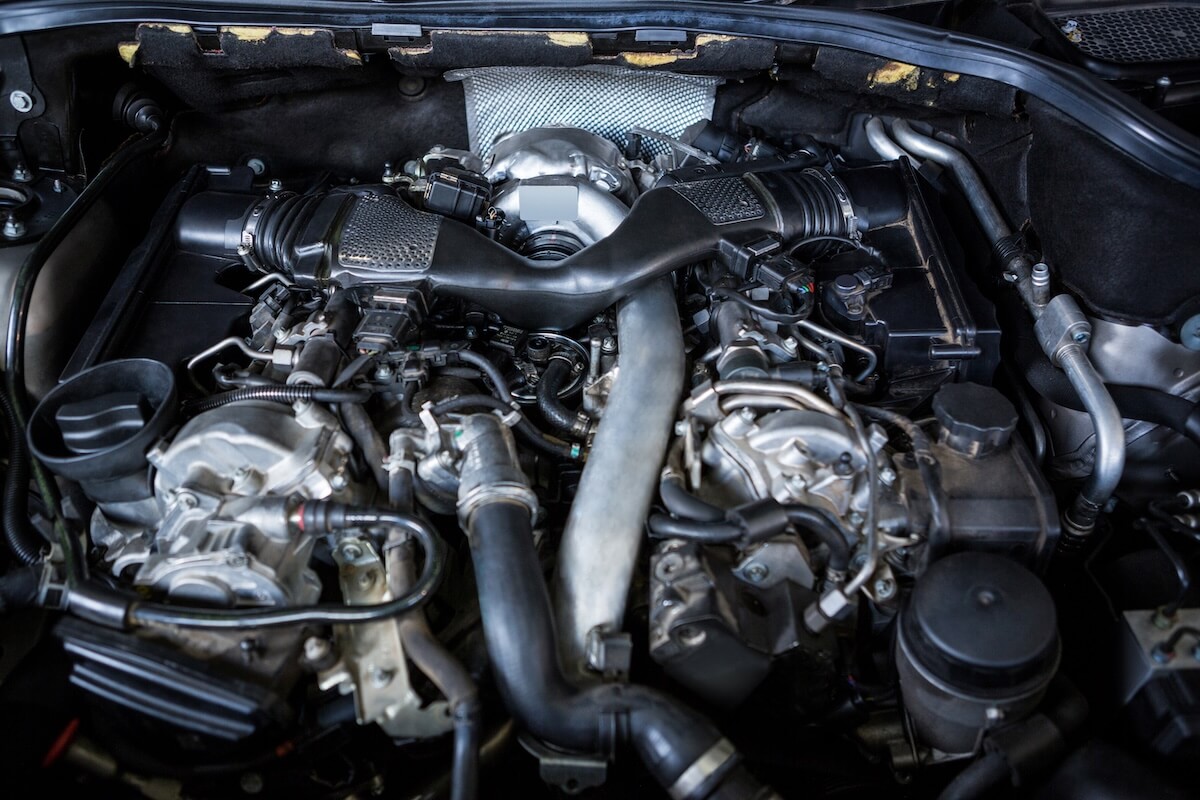
Modern diesel vehicles are equipped with advanced exhaust after-treatment systems designed to reduce harmful emissions. One of the key components in this process is the particulate filter (FAP or DPF). To keep it functioning efficiently, some vehicles require the use of a FAP additive—a special fluid that facilitates the regeneration of the filter and enhances engine performance.
In this article, we explain what it is, what it’s used for, how to know if a vehicle needs it, and the benefits of using it correctly.
What is the particulate filter additive?
The FAP additive is a specialized fluid that is added to the fuel in certain diesel vehicles equipped with a particulate filter. Its main purpose is to lower the combustion temperature of solid particles (soot) trapped in the filter, making them easier to eliminate during the regeneration process.
This additive is not used in all diesel cars—only in those with an automatic additive dosing system integrated into the fuel tank.
What is the FAP additive used for in a diesel vehicle?
Features and how the FAP additive works
The FAP additive is automatically mixed with diesel via a dosing system that adds small amounts of the product each time the vehicle is refueled. As the treated fuel goes through the engine, it produces soot that burns more easily, helping the particulate filter regenerate efficiently—even during low-speed urban driving.
The result: a cleaner filter, fewer blockages, and an engine that runs more smoothly.
Not to be confused with AdBlue
Many people confuse the FAP additive with AdBlue, but they are two very different products:
- FAP additive: mixed with diesel fuel and acts on the particulate filter (FAP/DPF).
- AdBlue: used in vehicles with SCR systems and acts on nitrogen oxides (NOx).
Both contribute to cleaner emissions, but they are not interchangeable.
How to know if a vehicle needs this engine additive
Compatible Vehicles and Usage Frequency
Not all diesel cars use a FAP additive. Some major manufacturers that include it in certain models are Peugeot, Citroën, Ford, Volvo, Mazda, and BMW, among others.
To check if a vehicle requires it:
- Consult the owner’s manual.
- Check for a dedicated FAP additive tank near the fuel tank.
- Some models display a dashboard warning when it’s time to refill the additive.
Generally, the FAP additive tank needs to be refilled every 80,000 to 120,000 km, though this varies depending on the vehicle and driving conditions.
Contact us!
Types of FAP systems and how they work
There are two main types of FAP systems:
- With additive (additivated systems): use a chemical additive to lower the temperature required for soot combustion.
- Without additive (passive systems): rely solely on exhaust heat to burn off particles.
Both systems are designed to remove soot from the filter, but those using a FAP additive allow for more frequent and efficient regeneration, especially during short or city driving.
Benefits of using FAP additives
Improved performance
Keeping the filter clean reduces engine strain and improves throttle response. It also minimizes the power loss typically seen in vehicles with clogged filters.
Lower fuel consumption
Efficient regeneration prevents obstructions that would otherwise increase fuel consumption, optimizing the vehicle’s energy efficiency.
Longer engine life
A well-maintained particulate filter reduces wear, prevents buildup in the engine, and lowers the risk of costly repairs related to the exhaust system.
Tips for maintaining the particulate filter
- Use high-quality FAP additives, like those developed by Oxyhtech, specifically formulated for maximum efficiency and system protection.
- Check additive levels regularly and refill as needed.
- Avoid exclusive urban driving. When possible, take longer trips to promote natural regeneration of the filter.
- Schedule periodic internal engine cleanings to keep the system in top condition.
The fAP additive: A key ally for diesel engine efficiency
Using the right FAP additive and maintaining it at proper levels can significantly improve the performance of a diesel vehicle. It helps prevent breakdowns, enhances fuel efficiency, and extends the life of both the filter and the engine.
At Oxyhtech, we develop high-performance cleaning and maintenance solutions for exhaust after-treatment systems. If you’re looking for professional FAP additives or expert advice for your workshop, we’re here to help.