
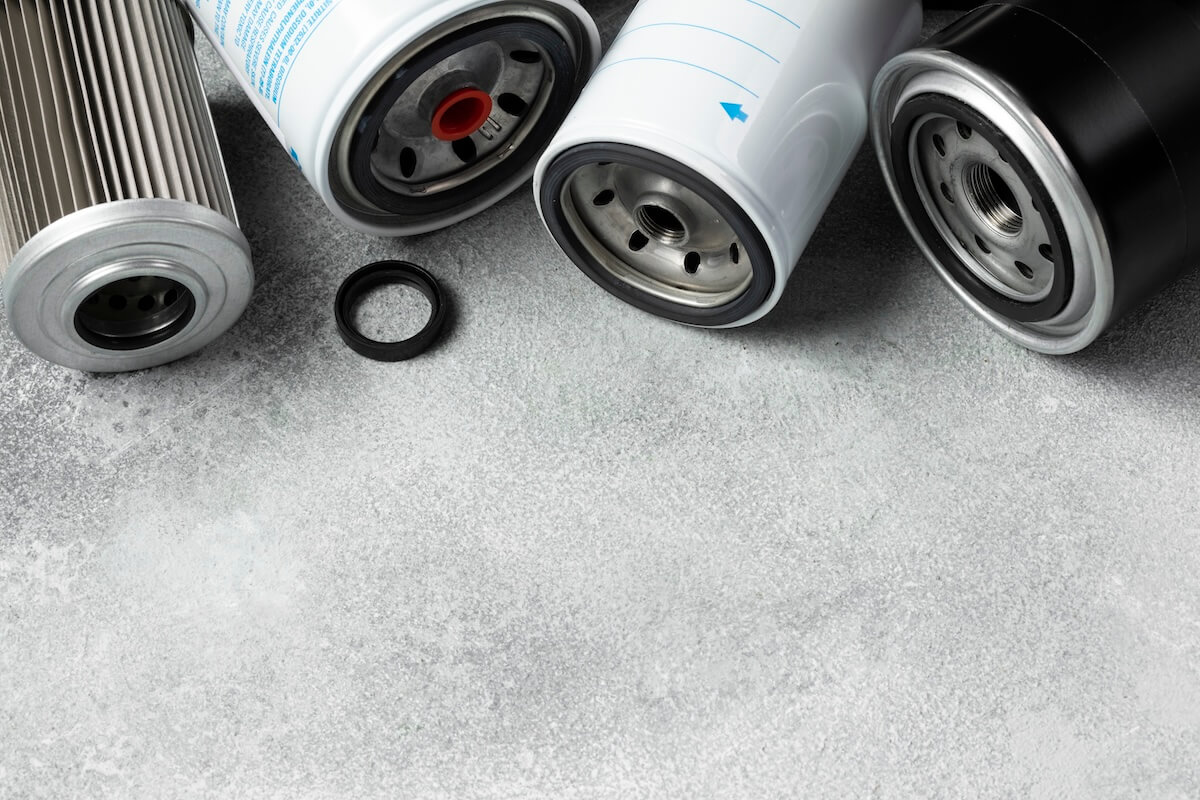
What is the particulate filter?
The particulate matter filter (DPF) is a device installed in the exhaust system of diesel vehicles to capture and store soot particles generated during engine combustion. These particles, which are a form of pollution, must be removed to prevent the release of harmful emissions into the environment.The DPF performs its function through a process of filtering and accumulation of particles, but over time, this filter becomes clogged and requires cleaning or replacement.3 Methods to clean the particulate filter
There are several methods to clean the particulate filter, depending on the severity of the blockage and the type of vehicle. The main regeneration methods that car workshops can apply to keep the DPF in good condition are described below.1. Passive Regeneration
Passive regeneration is a process for cleaning the particulate filter that occurs automatically when the vehicle is driven at high temperatures for an extended period of time, usually on long trips at constant speeds.In this case, the high temperatures allow the particulate filter to burn naturally and remove the accumulated particles.2. Active Regeneration
Active regeneration, another process for cleaning the particulate filter, occurs when the vehicle’s system detects that the particulate filter is clogged. The vehicle increases the exhaust gas temperature by injecting additional fuel to burn the accumulated particulates in the DPF.This process can be started automatically when the system deems it necessary.3. Forced Regeneration
Finally, forced regeneration is a process to clean the particulate filter that is performed in the workshop when passive and active regenerations are not sufficient to remove the clogged filter.In this case, specialized equipment is used to clean the particulate filter by applying heat or specific products designed to dissolve and remove accumulated particles.Contact us
Effective techniques to clean the particulate filter
In car workshops, there are several additional techniques that can be used to clean the particulate filter when automatic regeneration is not effective. The following are the most commonly used techniques for DPF maintenance.Particulate filter cleaning fluid treatment
Treatment with cleaning fluids is one of the most common methods of removing debris from the particulate filter. This procedure consists of applying specialized liquid products directly to the DPF to dissolve and remove accumulated particles. The application of these fluids helps to maintain filter efficiency and avoid costly replacements.Ultrasonic cleaning of the particulate filter
Ultrasonic cleaning is an advanced technique that uses ultrasonic waves to remove dirt and particles trapped in the DPF. This method is very effective in restoring particulate filter performance without causing damage. By using ultrasonic frequencies, a deeper and more thorough cleaning is achieved.Cleaning the particulate filter with chemical additives
Chemical additives are an effective option for cleaning the particulate filter. These additives are mixed with the fuel and help reduce particulate buildup, facilitating DPF cleaning. They can also improve passive and active regeneration, ensuring longer filter life.What is the recommended method for cleaning the particulate filter?
The choice of cleaning method will depend on the condition of the particulate filter and the nature of the vehicle. However, a combination of active regeneration and cleaning with specialized fluids or chemical additives is generally the best option to keep the DPF in optimum condition.If the particulate filter is severely clogged and does not respond to automatic methods, ultrasonic cleaning or the use of specialized equipment for forced regeneration in the workshop will be the most effective option.In any case, it is recommended that garages use quality products and equipment, such as those available in our store at Oxyhtech, to ensure efficient and safe DPF cleaning.Preventive Maintenance vs. Curative Approach
Preventive maintenance is always the best option to avoid costly particulate filter problems.- Periodic checks and ensuring that the DPF regeneration system is working properly can prevent the filter from becoming too clogged.
- Regular use of additives or cleaning products can extend the filter’s service life.
Contact us
Benefits of cleaning the particulate filter
Cleaning the particulate filter has several benefits for both the vehicle and the environment. Below, we highlight the main benefits:Improved engine performance
A clean particulate filter ensures optimal exhaust gas flow, which improves engine efficiency. This can result in increased power and improved vehicle response.Fuel savings
A clogged particulate filter forces the engine to work harder, which can result in higher fuel consumption. By cleaning the DPF, engine efficiency is restored and fuel consumption is reduced.Reduction of pollutant emissions
Cleaning the particulate filter significantly reduces particulate pollutant emissions, contributing to a cleaner environment and complying with environmental regulations.Common mistakes when cleaning the particulate filter
When it comes to cleaning the particulate filter, it is easy to make certain mistakes that can worsen the situation or even damage the DPF. Here are some of the most common mistakes:- Do not use quality products: Low quality products may not be effective or may even damage the filter. It is essential to choose cleaning fluids and additives that are recommended by experts and certified.
- Ignoring signs of clogging: If the diagnostic system indicates problems with the DPF, it is crucial to act quickly. Postponing cleaning or regeneration can cause irreversible damage.
- Improper cleaning: The use of non-recommended or incorrectly applied methods can damage the filter and reduce its service life. It is always better to opt for professional techniques, such as ultrasonic cleaning or forced regeneration, if necessary.