
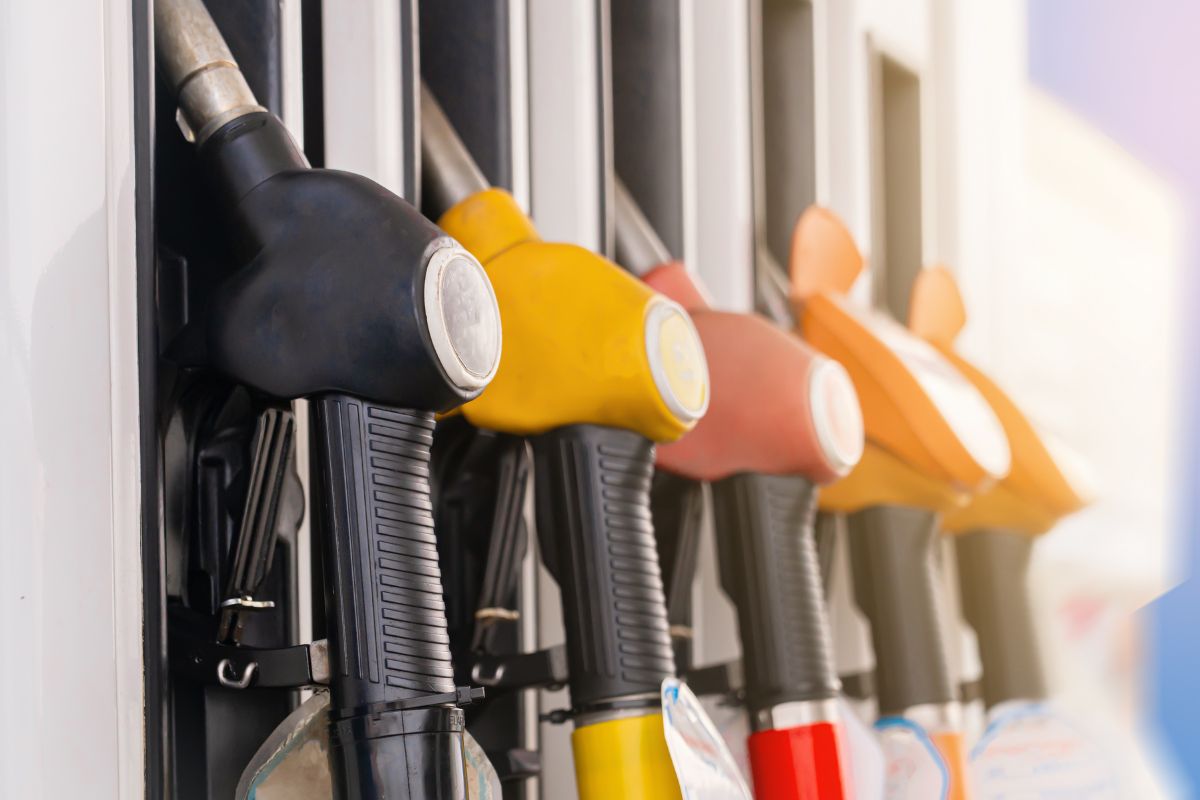
Fuel economy is one of the biggest concerns for drivers, repair shops, and fleets alike. With the price of diesel and gasoline constantly rising, reducing consumption is not only a matter of economics, but also of mechanical efficiency and sustainability.
What many people don’t know is that consumption depends not only on the type of engine or driving style, but also on the internal condition of the engine, its cleanliness, tire pressure, trip planning, and even how we use heating or air conditioning.
In this guide, we have compiled the most effective ways to save fuel in 2025, combining practical habits with professional techniques such as engine decarbonization, one of the most efficient solutions for restoring performance and reducing consumption.
Why is it important to save fuel?
- Direct financial savings: reducing consumption by 10-20% can save hundreds of dollars a year.
- Less engine wear: efficient driving extends the life of your vehicle.
- Lower pollutant emissions: fuel consumption and emissions are directly related.
- Regulatory compliance: vehicles that consume more fuel tend to have more problems passing the MOT.
- Greater comfort and smoother driving: an engine that is not working hard is more stable and quieter.
In addition, with the new Low Emission Zones (LEZ), engines that consume more and emit more may face restrictions.
7 Tips for saving fuel
Here are some tips that will generate real, measurable savings.
1. Plan your trip well
Routes with traffic jams, poor road conditions, or urban areas with many traffic lights significantly increase fuel consumption. Before you leave:
- Check the traffic.
- Use navigation apps that optimize routes.
- Avoid congested areas.
- Combine several errands into a single trip.
Good planning can save you between 5 and 12% on fuel.
2. Check your tire pressure
A tire with low pressure increases rolling resistance and forces the engine to consume more fuel. In fact, 0.5 bars less can increase consumption by up to 8%.
Be sure to check the pressure:
- Every 2 weeks.
- Before a long trip.
- When carrying extra load.
Always use the pressure recommended by the manufacturer.
3. Clean out your trunk and leave only the essentials
Every additional 25 kg increases fuel consumption by 1 to 2%. Many cars drive around with unnecessary tools, heavy objects, or forgotten luggage.
Rule of thumb: the heavier the load, the higher the fuel consumption.
4. Maintain a steady speed
Accelerating, braking, and sudden changes in speed increase fuel consumption. Modern engines work best at stable speeds.
If your car has cruise control, use it on highways or freeways.
5. If you stop for more than a minute, turn off the engine
When idling, the engine burns fuel without moving forward. If you are going to be stopped for more than 60 seconds, turning off the engine is more efficient than leaving it running.
Modern cars already do this with Start-Stop systems, but if your vehicle does not have one, apply this rule.
6. Air conditioning or open windows: which uses less fuel?
- In the city: open windows consume less fuel than using air conditioning.
- On the highway: it is better to use air conditioning, because opening windows creates a lot of aerodynamic drag.
Air conditioning can increase fuel consumption by between 0.2 and 1 liter per 100 km, depending on the vehicle.
7. Regular engine cleaning with decarbonization
This is one of the most important and least known points. A dirty engine needs more fuel to achieve the same power.
Carbon deposits affect:
- EGR valve.
- Turbocharger.
- Injectors.
- Intake manifold.
- DPF/FAP filter.
- Combustion chambers.
When the engine is saturated with soot:
- Power decreases.
- Increased fuel consumption.
- Emissions increase.
- DPF regeneration fails.
- The engine is working hard.
The solution: professional decarbonization with HHO hydrogen (Oxyhtech)
Oxyhtech NOVA and ULTRA equipment allows you to:
- Eliminate internal carbon deposits.
- Improve combustion.
- Reduce consumption by between 5% and 15%.
- Restore engine response.
- Prevent breakdowns in EGR, turbo, and DPF.
It is one of the most effective methods for reducing consumption without changing your driving style. ¿How to decarbonize a diesel engine?
How to save fuel with efficient driving
In addition to the above tips, smooth driving makes a huge difference.
Use the engine brake
When going downhill or approaching a traffic light, take your foot off the accelerator and let the engine slow down. When you are not accelerating, fuel consumption is zero, as the fuel injection is cut off.
Drive in the highest gear possible and don’t rev the engine
Modern engines are designed to run smoothly at low revs. Driving in low gears increases fuel consumption.
Rule of thumb: change gears early and accelerate gradually.
Take advantage of downhill slopes
On gentle slopes, let inertia do its work. If the engine is revving unnecessarily, fuel consumption automatically increases.
Where can you save more fuel? In the city or on the highway?
How to save gas in the city
In the city, fuel consumption is higher due to:
- Constant stops.
- Starting the engine.
- Heavy traffic.
- Low speeds.
This is where efficient driving has the greatest impact. To save gas in the city:
- Avoid rush hour.
- Keep your distance so you don’t have to brake constantly.
- Use high gears as soon as you can.
- Turn on the air conditioning only when necessary.
- Check filters and injectors periodically.
- If possible, avoid very short trips (the engine consumes more fuel when cold).
How to use less gas on the highway
- Use cruise control.
- Maintain a steady speed.
- Check tire pressure before traveling.
- Avoid excessive loads.
- Use the highest gear possible.
- If your engine is dirty, decarbonize it before traveling.
Fuel economy is the sum of habits and maintenance
Saving fuel does not depend on a single factor: it is the result of efficient driving, a vehicle in good condition, and a clean engine. Professional decarbonization is one of the most effective ways to reduce consumption without changing your car.
If you are a repair shop, offering this service not only helps your customers save money, but also increases your profitability and positions you as a leading technical center.
At Oxyhtech, we provide you with the technology, products, and support to do so with confidence. Contact us for more information for your workshop!