
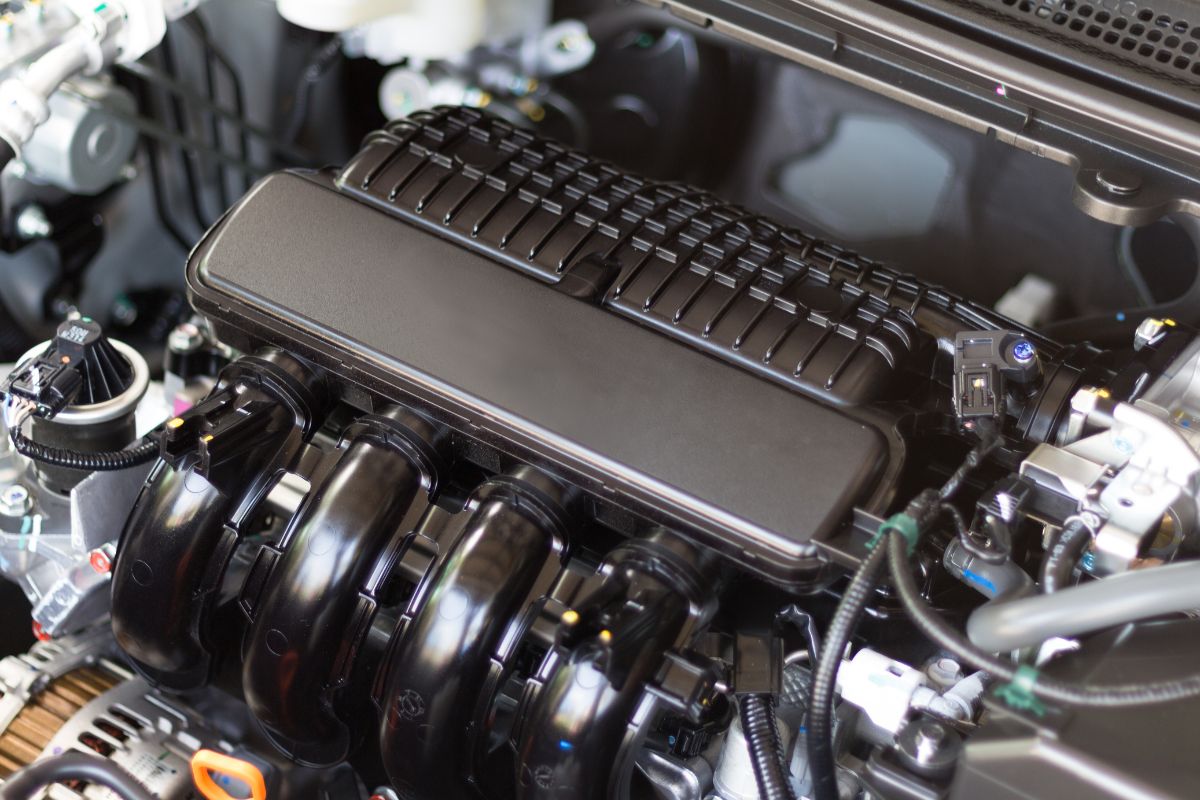
Engine protection is not just a preventive measure: it is a necessity to guarantee the useful life of a vehicle or any industrial system that uses electric motors. In automotive, air conditioning, industrial machinery, pumping systems, and compressors, protecting an engine means avoiding costly breakdowns, ensuring optimal performance, and extending its operation for years.
In the case of mechanical workshops and companies that work with thermal, electric, or hybrid motors, understanding protection mechanisms is key to providing quality technical service. In addition, good protection reduces wear and tear, optimizes energy consumption, and helps prevent premature failures caused by overheating, overloads, or internal contamination.
At Oxyhtech, we explain all types of engine protection, how they work, what devices are used, and what maintenance should be performed to ensure a long service life for both combustion and electric engines.
What is motor protection and why is it important?
Motor protection consists of a set of measures, techniques, and devices designed to prevent damage resulting from:
- Overheating.
- Short circuits.
- Prolonged overloads.
- Lubrication failures.
- Internal wear.
- Carbon contamination (in combustion engines).
- Electrical faults (in electric motors).
Protecting an engine is essential for three reasons:
1. It prevents costly breakdowns
An engine breakdown—whether thermal or electric—is usually one of the most expensive repairs in any vehicle or industrial system.
2. It extends its useful life
A well-protected motor can last between 30% and 50% longer.
3. It optimizes performance
A protected engine operates within its ideal parameters: without overheating, without straining, and without consuming more energy or fuel than necessary.
Types of engine protection
Engine protection encompasses different approaches depending on the type of engine and the environment in which it operates. These are the main types:
Thermal protection
Applies to both electric and combustion engines.
It includes all necessary measures to prevent the engine from reaching temperatures higher than those recommended:
- Temperature sensors.
- Ventilation systems.
- Liquid cooling.
- High-quality oils.
- Protection against continuous operation at high loads.
- Thermistors or thermal relays in electric motors.
In automotive applications, excessive temperature can cause:
- Oil degradation.
- Seal failure.
- Loss of power.
- Risk of seizure.
In electric motors:
- Burnt windings.
- Permanent damage to insulation.
- Thermal relay tripping.
Magnetic protection
Designed to prevent damage caused by instantaneous overcurrents, typically associated with short circuits. Essential in industrial electric motors, air conditioning, and pumping systems.
Magnetic protection acts in milliseconds, preventing:
- Fires.
- Damage to cables.
- Motor destruction.
Overload protection
An overload is a situation in which the motor operates above its rated capacity for an extended period of time.
If left unchecked, it can lead to:
- Overheating.
- Premature wear.
- Winding failures.
- Mechanical damage.
Protective devices detect the increase in current and disconnect the motor before a fault occurs.
Devices that protect my electric motor
In the industrial, air conditioning, and machinery sectors, there are specific devices to protect the motor from any electrical mishaps.
Thermomagnetic switch
This is the most common type of protection. It combines:
- Thermal protection → against overloads.
- Magnetic protection → against short circuits.
It is an essential element in any electrical panel.
Motor protection or circuit breaker
Specifically designed for motors, it combines thermal and magnetic protection, but also:
- Allows the exact motor current to be adjusted.
- Withstands typical start-up peaks.
- Ensures more precise protection.
Very common in pumps, compressors, and industrial three-phase motors.
Thermal relay
This device protects against prolonged overloads. It is usually installed alongside a contactor and disconnects the motor if the current exceeds the rated value for too long.
It is adjustable, economical, and very reliable.
Maintenance to extend motor life
Motor protection is not just a matter of electrical devices. Maintenance plays an equally or even more important role.
Here is the key point that both workshops and industries must follow:
1. Maintenance of combustion engines (cars, industrial vehicles)
- Use high-quality oil and change it at appropriate intervals.
- Clean carbon deposits with regular professional decarbonization.
- Check the temperature and cooling system.
- Check the turbo, EGR, and injectors.
- Avoid excessive loads and aggressive driving.
- Check and replace filters (oil, air, fuel).
Professional decarbonization with hydrogen, such as Oxyhtech NOVA and ULTRA machines, is one of the best techniques for:
- Reducing internal wear.
- Restore power.
- Improve combustion.
- Prevent breakdowns in EGR, turbo, and DPF.
- Truly protecting the engine in the long term.
Keys to effective engine protection
Protecting an engine—whether thermal or electric—is essential to prevent serious breakdowns, extend its useful life, and ensure the best possible performance. Engine protection does not depend solely on electrical devices such as engine guards, thermal relays, or circuit breakers; it also requires proper maintenance, periodic inspections, and, in the case of combustion engines, internal cleaning through professional decarbonization.
For auto repair shops, applying these practices not only prevents complaints and breakdowns, but also offers customers high-value service, improves trust, and increases business profitability.
At Oxyhtech, we provide you with the technology, products, and support to do so with confidence. Contact us for more information for your workshop!