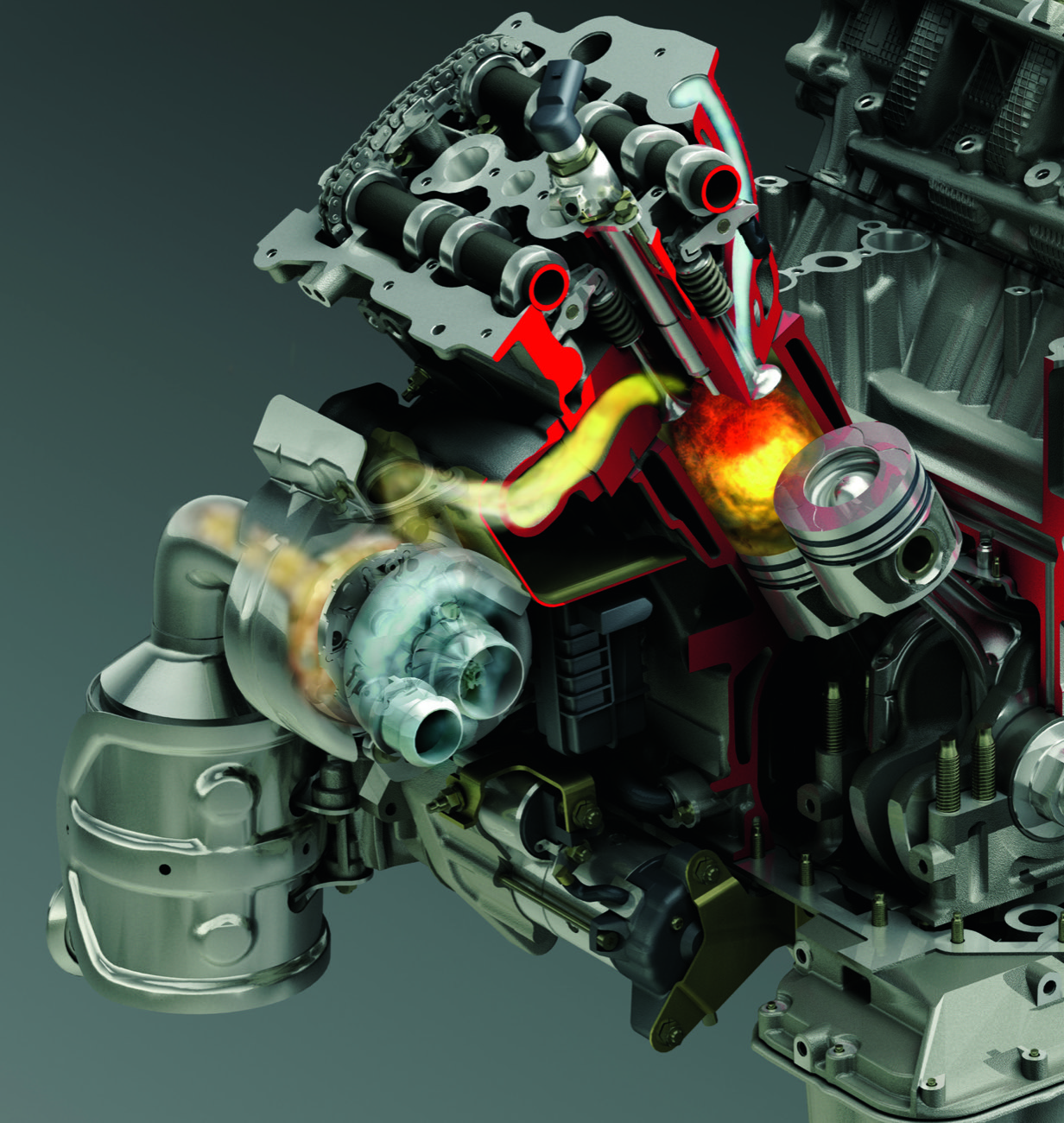
The GPF (Gasoline Particulate Filter) is the particulate filter fitted to direct-injection petrol engines. It traps the solid particles in the exhaust gases just like the DPF does on diesel, and with the arrival of the Euro 7 standard and the rise of hybrids, more and more petrol vehicles will need it maintained.
For the workshop, the GPF is becoming the next major source of work related to emission-control systems. What was until recently exclusive to diesel is now reaching petrol too.
What is the GPF filter and how does it work?
The gasoline particulate filter (GPF, also called OPF, Otto Particulate Filter) is a component of the exhaust system responsible for trapping the polluting particles generated during combustion in direct-injection petrol engines.
How does it really work?
- it collects the solid particles generated by the engine
- it stores them inside, in ceramic channels
- it removes them through regeneration, burning them off with the heat of the exhaust
The problem appears when the vehicle cannot correctly complete those regenerations.Here is a complete guide to what the particulate filter is and why it becomes clogged
Why are there more and more cars with a GPF?
It is no coincidence. Direct-injection petrol engines use less fuel, but they emit more fine particles than the older indirect-injection engines.
With the arrival of the Euro 6d standard, the law imposed a strict limit on the number of particles for petrol for the first time. The manufacturers’ response was straightforward:
- fit the GPF as standard on virtually every direct-injection engine
- since then, the fleet of petrol cars with a filter has not stopped growing
- and now those vehicles are starting to reach maintenance age
The evolution of the GPF: what lies ahead
The GPF is not going away: it is going to multiply and become more complex. Three forces are pushing in the same direction.
Euro 7 tightens the limits
The next standard arrives progressively and, above all, widens the real driving conditions under which the limits must be met:
- cold starts
- short city trips
- low temperatures
In other words, it demands that the filter perform precisely in the situations where regeneration is hardest.
The hybrid wave (the real challenge)
This is the point no workshop should overlook. Petrol hybrids also carry a GPF, but their combustion engine runs in a way that harms the filter:
- it starts and stops constantly
- it often runs cold and under low load
- passive regeneration never fully completes
The result is that the GPF saturates far sooner than expected. And the more hybrids on the road, the more clogged filters will reach the workshop.
An ageing fleet
The first cars with a GPF are already piling up years and mileage. As they age, the filter fills with soot and with ash that does not clear on its own. Before long, cleaning a GPF will be as routine as cleaning a DPF is today.
How do you know if the GPF is saturated?
The symptoms are old acquaintances for any workshop:
- power loss
- increased fuel consumption
- engine warning light on
- frequent regenerations or the car in limp mode
In the workshop, differential pressure confirms the filter’s saturation level.
Why does urban and hybrid use cause more GPF problems?
| Factor | Urban / hybrid use | Mixed / highway use |
|---|---|---|
| Exhaust temperature | Low | High |
| Complete regenerations | Difficult | Frequent |
| Soot accumulation | High | Low |
| Risk of clogging | High | Low |
| GPF lifespan | Shorter | Longer |
That is why delivery vehicles, taxis and city cars show more incidents related to the particulate filter.
What can the workshop do about the GPF?
At Oxyhtech we have spent years solving the diesel particulate filter. The GPF is the same challenge under a different name, and we tackle it on two fronts: recovering the filter that is already dirty and preventing the next one from clogging so fast.
Filter cleaning
Our particulate filter cleaning technology works on the same principle that solves the DPF: returning the filter to working condition instead of replacing it. Recovering rather than replacing means real savings for the customer and real margin for the workshop.
Carbon cleaning with hydrogen
With NOVA 4.0 and ULTRA 4.0 we attack the cause. Less carbon build-up in the intake, valves and combustion chamber means cleaner combustion, less soot reaching the filter and regeneration that works as it should. It is preventive maintenance that extends the GPF’s life.
TÜV NORD certified additives
The chemical complement that optimises combustion and helps keep the exhaust system clean. They are designed as a preventive solution for mild saturation levels, not as a substitute for professional cleaning once the filter is already clogged.
See DPF/GPF filter cleaning machinesSee carbon cleaning machinesSee Oxyhtech additives
Do you want to add professional solutions for GPF and emission-control systems to your workshop? Contact us and we will advise you.Contact us
GPF problems in petrol engines will keep increasing
Understanding the real causes of saturation lets workshops offer more effective solutions and avoid recurring failures. The workshop that prepares for the GPF today is the one that will keep that work tomorrow.
Frequently asked questions about the GPF filter
Are the GPF and the DPF the same?
They work on the same principle —trapping and burning off particles— but the DPF is for diesel and the GPF for direct-injection petrol. The GPF runs at higher exhaust temperatures, although in urban and hybrid use it too ends up saturating.
Can a GPF be cleaned without removing it?
In mild or moderate states, carbon cleaning and additives can help the system regenerate. When there is real clogging, professional filter cleaning is the most effective solution.
Which vehicles have more GPF problems?
Mainly urban petrol cars and hybrids, which make constant short trips and start the engine cold many times, without reaching the temperature needed to regenerate correctly.< PREVIOUSNEXT >