
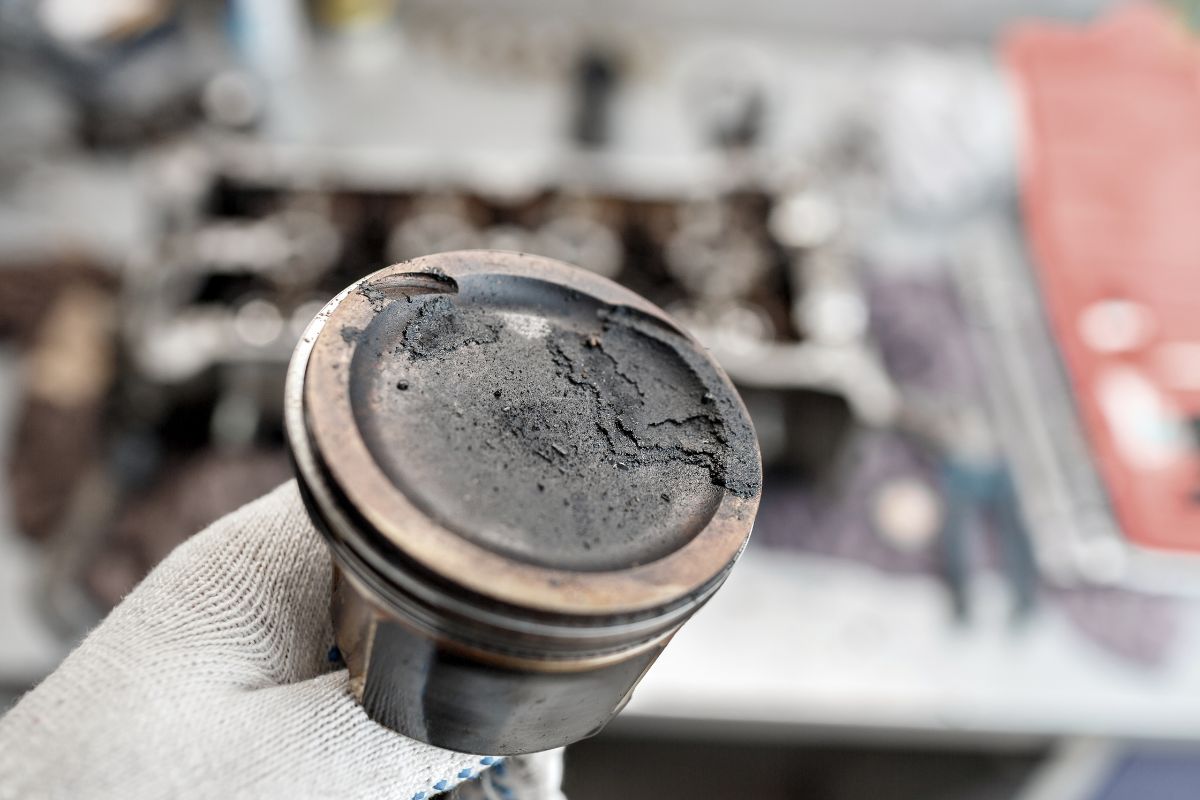
Engine carbon deposits are one of the most common problems in today’s diesel and gasoline vehicles. Although many drivers do not see them, their effects are present every day: loss of power, high fuel consumption, black smoke, EGR failures, DPF clogging, and turbo breakdowns. For repair shops, understanding the types of carbon deposits and how to remove them properly is essential to providing accurate diagnoses and effective treatments.
In this guide, I explain the different types of carbon deposits, where they accumulate, how they affect the engine, and the most effective professional methods for removing them, including HHO hydrogen carbon cleaner, an increasingly profitable service for repair shops.
What is engine carbon deposits?
Carbon deposits are solid residues produced by incomplete fuel combustion. They consist of:
- Soot.
- Carbon microparticles.
- Ash.
- Unburned oil residues.
- Additive residues.
In modern engines—especially diesel engines—this residue accumulates in critical areas, altering the air-fuel mixture and causing frequent breakdowns.
Types of carbon deposits in the engine
Not all carbon deposits are the same. Their composition and hardness vary depending on where they form and how long they have been accumulating.
Here are the four main types:
1. Soft carbon deposits
This is recent soot produced by incomplete combustion. Characteristics: fine, black, light.
It accumulates in:
- EGR.
- Intake manifold.
- Throttle body.
- Intake valves.
- Turbocharger surface.
Easily removed with carbon cleaning decarbonization or mild chemical cleaning.
2. Hard or adhered carbon deposits
This is compacted soot with oil residue and high temperature. Characteristics: solid, crusty texture.
Formed mainly in:
- Combustion chambers.
- Valves.
- Injectors.
- Variable geometry turbo blades.
This carbon deposits cause:
- Detonation.
- Loss of power. (PESTAÑA 1)
- Slow or stuck turbo.
- Higher fuel consumption.
Requires more thorough cleaning methods: HHO carbon cleaning or specific machinery.
3. DPF ash
This is not soot, but non-combustible residue generated by:
- Oil.
- Additives.
- Metal particles.
It accumulates only in the particle filter and does NOT disappear with regenerations. When there is too much ash → the DPF becomes clogged.
Solution:
- Professional cleaning with DPF Cleaner Plus.
- Workshop cleaning with a flow machine.
- NOT removed by carbon cleaning.
4. Carbonized oil
Formed when oil degrades and calcines in:
- Turbo.
- Valves.
- Seals.
- Vent ducts.
It causes:
- Blue smoke.
- Loss of lubrication.
- Accelerated wear.
Requires cleaning and inspection of the lubrication system.
Why does carbon build up?
The main causes are:
- Driving short distances.
- Excessive use of the car in the city.
- Low-temperature combustion.
- Poor-quality diesel fuel.
- EGR open for too long.
- Injectors that spray poorly.
- Dirty air filter.
- Lack of maintenance.
- Incorrect DPF regeneration.
In modern Euro 5 and Euro 6 engines, carbon deposits are almost inevitable without proper maintenance.
How to remove carbon deposits from the engine
Here are the most effective methods for each type of carbon deposits.
Method 1: Carbon cleaning with HHO hydrogen (Oxyhtech)
The most comprehensive and effective method for workshops.
Oxyhtech NOVA and ULTRA equipment generates HHO gas which, when introduced through the intake, cleans:
- Valves.
- Combustion chambers.
- Turbo.
- EGR.
- Manifold.
Benefits:
- Removes soft carbon deposits and some hard carbon deposits.
- No disassembly required.
- Reduces fuel consumption.
- Improves combustion.
- Restores power.
- Makes it easier to pass MOT tests.
- Reduces black smoke.
Ideal for maintenance every 20,000–30,000 km.
Method 2: Chemical intake cleaning
Aerosols and products for:
- EGR.
- Manifold.
- Throttle body.
Useful for surface carbon deposits.
Method 3: Cleaning the DPF
For filters saturated with soot or ash:
- DPF Cleaner (maintenance).
- DPF Cleaner Plus (ash reduction).
- Professional cleaning with machinery.
Carbon cleaner does NOT remove ash from the DPF.
How to prevent carbon deposits
To prevent it from reappearing:
- Occasional driving on the highway at medium RPM.
- Use high-quality fuel.
- Do not overuse short trips.
- Change the air filter regularly.
- Check the EGR and turbo from time to time.
- Decarbonize every 20,000–30,000 km.
- Keep the injection system in good condition.
A clean engine prevents breakdowns and reduces emissions.
Conclusion
Engine carbon deposits are a silent threat that affects the performance, fuel consumption, and service life of the vehicle. Knowing the types of carbon deposits, where they accumulate, and how to remove them allows repair shops to offer accurate diagnoses and lasting solutions.
Carbon cleaning with Oxyhtech NOVA or ULTRA is the most effective tool for removing internal deposits and restoring engine efficiency without dismantling. Combined with DPF cleaning and proper maintenance, it guarantees cleaner, more powerful engines that are ready to pass any inspection or meet any usage requirements.