
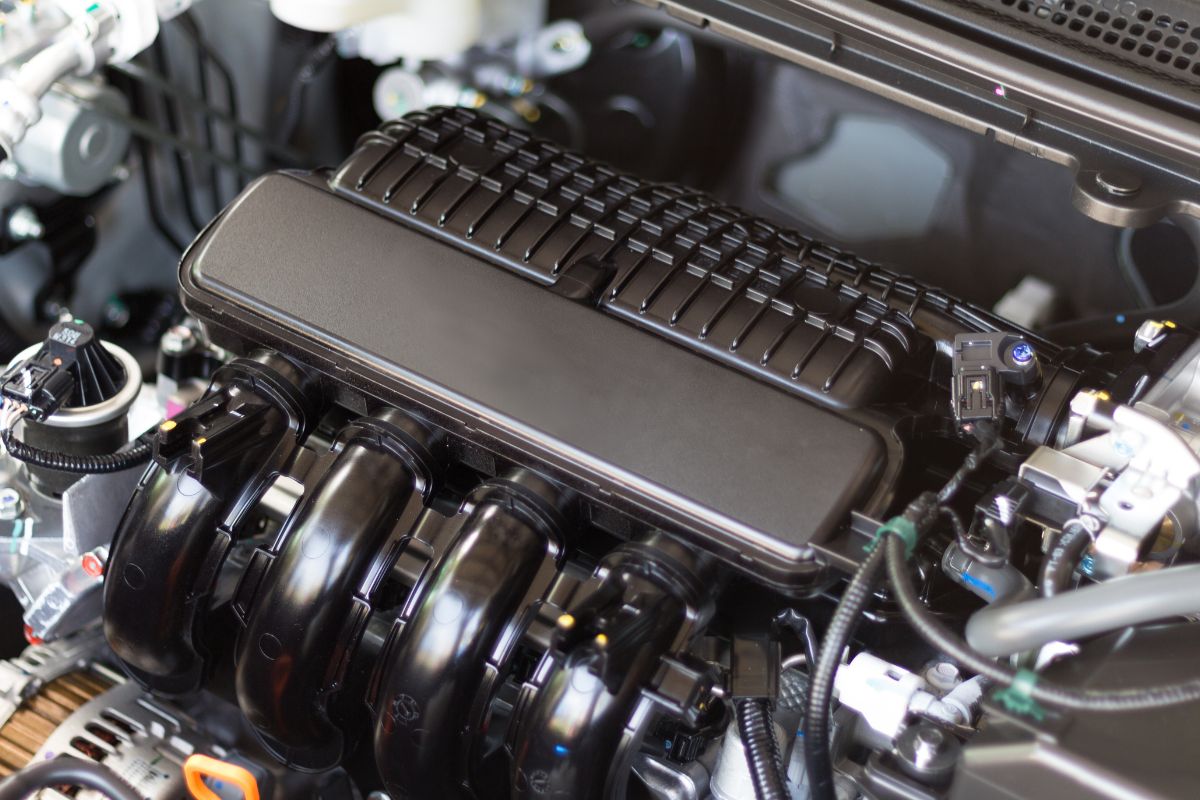
An engine in good condition should not emit any strange dound beyond the normal operating sound. When a whistling, knocking, rattling, or abnormal vibration occurs, it is a sign that something is wrong and requires immediate attention. Ignoring these sounds can lead to serious breakdowns, loss of performance, overheating, or even engine failure.
For a repair shop, understanding the source of engine noises is essential in any professional diagnosis. Often, these sounds are related to carbon buildup, intake failures, problems with the EGR, injectors, spark plugs, timing belt, or even internal wear.
In this comprehensive guide, you will learn how to identify the most common types of noises, what faults they represent, and how to fix them through professional carbon cleaner with Oxyhtech equipment.
Why do engine noises occur?
Abnormal noises occur when a part is not working as it should or when combustion is not occurring efficiently. The most common causes include:
- Mechanical wear.
- Poorly lubricated components.
- Failures in the combustion cycle.
- Carbon buildup.
- Loose or damaged parts.
- Air or gas leaks.
- Irregular injection.
- Misaligned sensors.
Before repairing, it is essential to correctly identify the type of noise.
Types of sound from engine and how to identify them
Here are the most common noises and their possible causes:
1. Knocking or “rattling” (detonation)
Fast metallic noise, especially when accelerating.
Possible causes:
- Poor or poorly synchronized combustion.
- Dirty injectors.
- Carbon deposits in the combustion chamber.
- Spark plugs in poor condition.
- Poor-quality fuel.
Direct relationship with carbon deposits: When there is accumulated residue, hot spots inside the cylinder increase → detonation occurs.
2. Whistling or blowing in the intake
High-pitched noise when accelerating. Possible causes:
- Leak in a turbo hose.
- Perforated intercooler.
- Worn turbo.
- Clogged air filter.
This noise is usually accompanied by a loss of power.
3. Rattling noise when idling
Irregular noise when the car is stationary. Possible causes:
- Misaligned injectors.
- Dirty or clogged EGR.
- Unbalanced valves.
- Damaged engine mount.
- Carbon deposits in the intake.
4. Loud metallic knocking
Serious and repetitive noise. Possible causes:
- Connecting rod failure.
- Damaged piston.
- Worn crankshaft bearings.
- Severe lack of lubrication.
These noises indicate a critical fault. The vehicle must not be driven.
5. “Ratcheting” noise when starting from cold
Possible causes:
- Damaged chain or belt tensioner.
- Degraded oil.
- Dry seals.
6. Very high-pitched whistling noise inside the engine
Possible causes:
- Turbo blowing above normal.
- Stuck variable geometry.
- Defective wastegate valve.
7. Constant humming
Possible causes:
- Fuel pump.
- Alternator in poor condition.
- Worn timing belt.
Sound from engine caused by carbon deposits: a more common cause than it seems
Carbon deposits are one of the factors that most affect engine noise. When they accumulate, they cause:
- Detonation.
- Lack of air in the intake.
- Irregular injection.
- Unstable idling.
- Vibrations.
- Rattling at low revs.
- Loud noise during cold starts.
This occurs because carbon deposits build up in:
- EGR.
- Intake manifold.
- Turbocharger.
- Valves.
- Injectors.
- Combustion chambers.
How to remove carbon deposits from the engine?
How to decarbonize an engine to eliminate noise
Carbon cleaning is one of the most effective methods for eliminating noises caused by irregular combustion or internal dirt.
Carbon cleaning with HHO hydrogen (Oxyhtech)
The Oxyhtech NOVA and Oxyhtech ULTRA devices generate HHO which, when introduced through the intake, cleans:
- Combustion chambers.
- Valves.
- Turbo.
- EGR.
- Intake manifold
Benefits:
- Eliminates knocking.
- Improves combustion.
- Stabilizes idling.
- Reduces metallic noises.
- Frees up turbo geometry.
- Cleans carbon deposits without disassembly.
It is a safe, fast (60 min) and very cost-effective process for workshops.
Complementary chemical cleaning
For cases with high saturation:
- Intake cleaning products.
- DPF cleaning with DPF Cleaner or DPF Cleaner Plus.
- Cleaning of dismantled EGR.
What noises disappear after carbon cleaner?
- Rattling due to irregular combustion.
- Cold rattling.
- Noises from blocked intake.
- Whistling due to a “sluggish” turbocharger.
- Vibrations when idling.
Most repair shops report immediate improvements after treatment.
When is it necessary to repair a part rather than simply decarbonizing it?
- Damaged connecting rod.
- Damaged piston.
- Broken turbocharger.
- Belt, chain, or tensioner in poor condition.
- Worn bushings.
- Serious leak in the intake.
Carbon cleaning is effective when the cause is dirt, not when the part is broken.
How to prevent engine noise in the long term
- Perform decarbonization every 20,000–30,000 km.
- Use high-quality fuel.
- Avoid driving at excessively low revs.
- Perform regular maintenance.
- Change the air filter on time.
- Check the EGR periodically.
- Perform DPF regeneration correctly.
A clean engine makes less noise, performs better, and lasts longer.
Conclusion
Engine noises should never be ignored: they are a clear warning that something is not working properly. For repair shops, a professional and structured diagnosis is key to identifying whether the problem is due to injectors, turbo, belt, sensors… or something much more common: accumulated carbon deposits.
Hydrogen carbon cleaner using Oxyhtech NOVA or ULTRA equipment has become one of the most effective solutions for restoring engine performance, reducing noise, and preventing future breakdowns.
With proper treatment, the engine will run smoothly, quietly, and at full power again.