
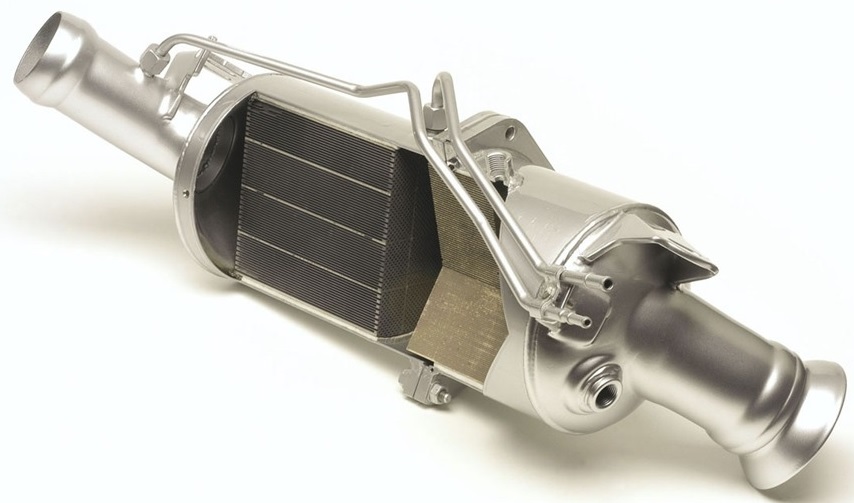
If the particulate filter is not dried properly after cleaning, it can cause abnormal back pressure, regeneration failures, and even internal damage to the DPF. Residual moisture alters the flow of gases and compromises the operation of the system.
How should the particulate filter be maintained?
Particulate filter maintenance consists of preventing excessive saturation through professional cleaning, combustion system inspection, and regeneration control.
A DPF is not a “lifetime” component. It requires:
- Periodic diagnosis.
- Differential pressure control.
- Cleaning when regenerations are no longer effective.
- Checking the EGR, injectors, and engine condition.
Proper maintenance:
- Reduces breakdowns.
- Prevents replacements.
- Improves performance and emissions.
- Reduces downtime in commercial vehicles.
Note for workshops
Preventive maintenance is a recurring and profitable line of business, especially for fleets and delivery vehicles.
How is the particulate filter cleaned?
Particulate filters are cleaned using professional methods that remove soot and ash buildup when automatic regeneration is not sufficient.
Workshop process
- Electronic diagnosis.
- Back pressure measurement.
- Determine the saturation level.
- Apply appropriate method.
- Verify final values.
The 5 ways to clean a particulate filter
There are different cleaning methods, but not all of them are equally effective.
Forced regeneration
Forced regeneration is performed with a diagnostic machine when the DPF is not yet clogged.
Preventive additives
These facilitate the combustion of soot, but do not remove ash.
Basic chemical cleaning
Recommended for moderate saturation.
Corrective deep cleaning
For filters with high obstruction.
Professional cleaning with Oxyhtech technology
DPF cleaning with Oxyhtech solutions is designed to restore the filter’s capacity without the need for replacement.
It allows:
- Eliminate stubborn residues.
- Reduce back pressure.
- Restore normal regeneration.
- Offer professional technical service in the workshop.
It is particularly effective in:
- Urban passenger cars.
- Delivery vans.
- Industrial vehicles.
- Trucks with intensive cycles.
Filter regeneration: how does it work?
Regeneration is the process by which the system burns off accumulated soot by raising the temperature of the DPF.
Types of regeneration
- Passive → sustained driving on the highway.
- Active → ECU intervention.
- Forced → performed in a workshop.
Important note
Regeneration does not remove ash, only soot. That is why professional cleaning is necessary in advanced maintenance.
Particulate filter malfunctions
The most frequent faults are related to saturation, back pressure, and regeneration failures.
- Emergency mode.
- Turbo damage.
- Oil contamination.
- EGR failures.
- Internal melting due to overheating.
Pay attention to your car’s warning lights
Ignoring the DPF warning light can turn a simple cleaning job into a major breakdown.
Warning signs
- DPF warning light on.
- Very frequent regenerations.
- Loss of power.
- High fuel consumption.
Early diagnosis prevents unnecessary replacements.
Driving only in the city destroys it
Exclusive urban use prevents the DPF from reaching the temperature necessary for proper regeneration.
Consequence
- Progressive saturation.
- Failed regenerations.
- Accelerated ash accumulation.
Particularly critical in:
- Delivery vehicles.
- Taxis.
- Urban fleets.
What happens if the particulate filter is not dried properly after cleaning?
If the filter does not dry completely, moisture can cause reading errors, soot combustion problems, and internal damage due to thermal shock.
What can happen
- Increased back pressure.
- Regeneration failures.
- Possible internal cracks.
- Sensors affected by residual moisture.
Why it is critical in the workshop
After cleaning, controlled drying ensures:
- Correct gas flow.
- Stable pressure values.
- Safe operation.
Poor drying can lead to the assumption that the cleaning has failed, when the problem is actually moisture.
Turn DPF maintenance into a strategic service for your workshop
- Particulate filter maintenance is key to preventing breakdowns.
- Professional cleaning is more effective than repeated regeneration.
- Driving only in the city accelerates clogging.
- Incorrect drying after cleaning can cause serious faults.
- Early diagnosis prevents replacements.
Particulate filter maintenance is no longer optional in modern diesel vehicles. Professional DPF management prevents breakdowns, reduces downtime, and offers real technical solutions for both passenger cars and commercial vehicles and trucks.
At Oxyhtech, we help workshops implement comprehensive DPF cleaning and maintenance services with specific solutions and technical advice for each level of saturation.
Would you like to incorporate a professional particulate filter maintenance and cleaning service into your workshop?
Contact us and we will help you structure an effective and cost-effective solution tailored to your type of customer.