
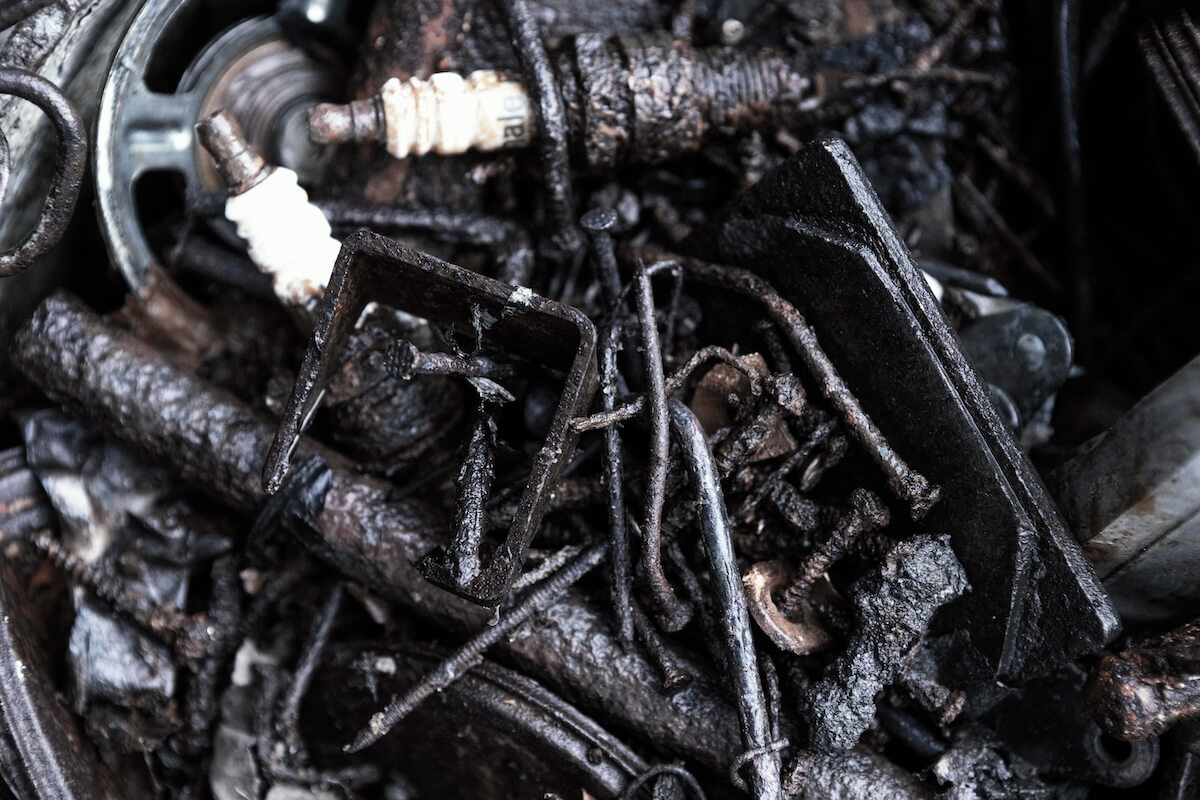
How do you know if your engine is dirty inside?
Internal fouling (carbon deposits)
Carbon deposits are solid residues from the incomplete combustion of diesel fuel. They are deposited in:- Air intake.
- EGR valve.
- Turbocharger.
- Combustion chamber.
- Injectors.
- Particulate filter (DPF/FAP).
Symptoms of a dirty engine due to carbon deposits
- Progressive loss of power.
- High fuel consumption.
- Dark smoke from the exhaust.
- EGR or DPF failure.
- Unstable idling or vibrations.
- Failed regenerations.
- Engine malfunction light on.
Tips for removing carbon deposits
Removing carbon build-up is not an easy task, and many traditional methods can be invasive or ineffective. Here are the most commonly used methods:1. Disassemble and clean by hand 2.
- Requires hours of labor.
- May damage sensitive components.
- Critical areas such as the combustion chamber are not always accessible.
- Costly and not scalable for the shop.
2. Clean with additives
- Added to the tank or injected directly into the intake.
- Partial cleaning and very dependent on engine condition.
- Limited effectiveness if the engine is already very dirty.
3. Decarbonization with HHO technology
- The best professional option.
- It introduces oxyhydrogen gas into the engine, which burns the accumulated carbon in a progressive and safe way.
- Cleans combustion chamber, valves, turbo, EGR, injectors and part of the DPF.
- Fast (30-45 min), clean and 100% safe.
Decarbonizing the diesel engine with Oxyhtech
We offer the workshop two professional solutions to decarbonize engines efficiently:Oxyhtech NOVA
- Compact and versatile machine, ideal for medium-volume workshops.
- Automatic cleaning cycles.
- Intervention time: 30-40 min.
- Compatible with passenger cars and light vehicles.
Oxyhtech ULTRA
- For heavy vehicles, fleets and workshops with high turnover.
- Higher HHO flow, more power and more autonomy.
- Programmable cycles and advanced touch screen.
- Cleaning in engines up to 16 liters of displacement.
Benefits of cleaning dirty engines with Oxyhtech
Decarbonizing diesel or gasoline engines with Oxyhtech technology not only improves vehicle performance, but also represents a great business opportunity for the workshop.For the vehicle:
- Immediate power recovery.
- Fuel consumption reduction (up to 15%).
- Reduction of pollutant emissions.
- Lower risk of EGR, DPF, injectors or turbo failures.
- Less engine effort and better acceleration response.
- Smoother and more stable idling.
For the workshop:
- New technical, professional and differential service.
- Amortizable investment in less than 2 months.
- High profitability per hour of intervention.
- Customer loyalty by noticing real improvements.
- Image of innovative, responsible and environmentally committed workshop.
Recommended products for engine cleaning
In addition to decarbonization machines, Oxyhtech offers a solution for cleaning the intake system:Total Intake Cleaner
This innovative device is designed for deep cleaning of the intake system in diesel and gasoline engines.- Cleans intake, manifolds, throttle, EGR and valves.
- Use with the engine running.
- Specific formula to remove light carbon without disassembly.
More info
Recommended frequency of engine cleaning
The ideal frequency depends on the use and type of driving:- Private individuals (urban use): every 20,000-25,000 km.
- Commercial vehicles: every 15,000-20,000 km.
- Fleets or cabs: every 10,000-15,000 km.
Precautions when cleaning the engine
Although HHO technology is safe, good practices should always be followed:- Do not apply chemicals without checking compatibility with engine materials.
- Do not spray pressurized water on electrical connections.
- Wear gloves, mask and goggles when working with spray products.
- Always follow the manufacturer’s instructions.
Preventive engine maintenance
Keeping an engine clean is not just a matter of occasional cleaning. There are certain habits that help to prevent carbon build-up from accumulating again quickly:- Driving on the road at medium-high revs (at least once a week).
- Avoid excessive use of high gears in the city.
- Use of quality fuels and specific additives if necessary.
- Regular oil change with low ash lubricants.
- Periodic revision of the intake and exhaust system.