
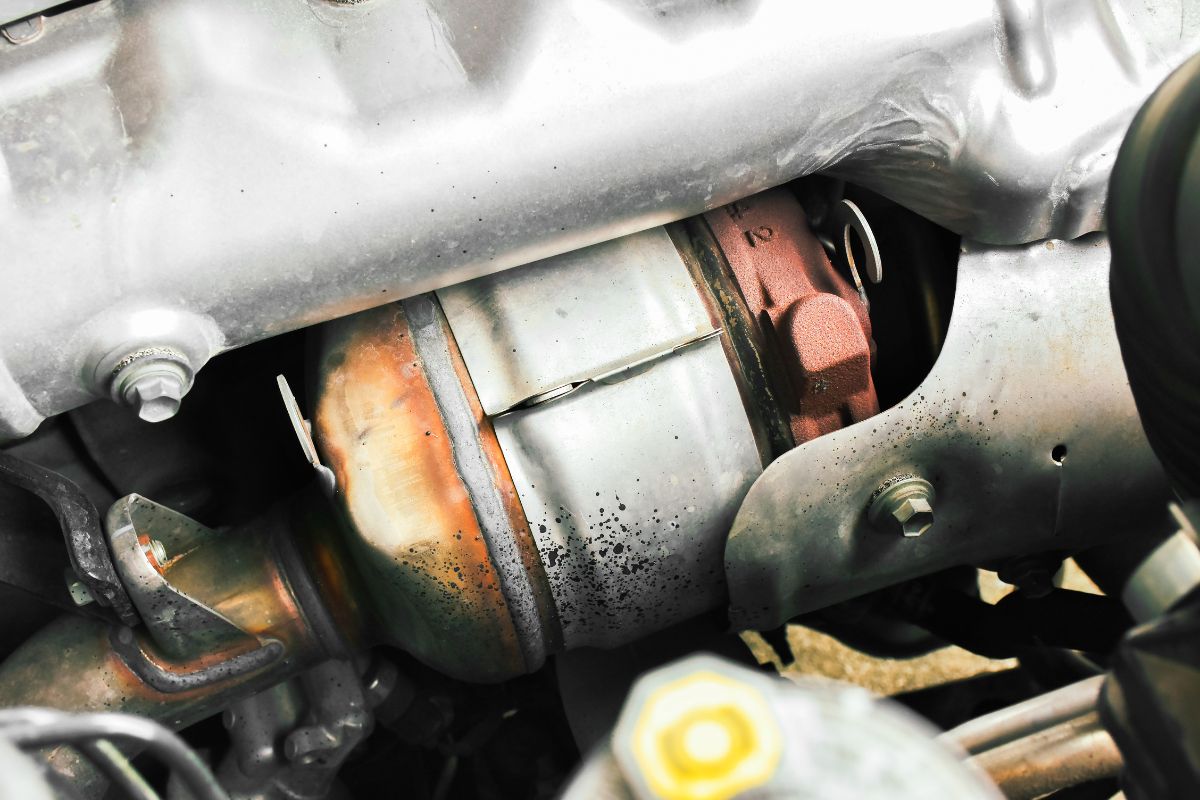
To remove the particulate filter (FAP or DPF) means removing a mandatory emissions control system, which can lead to legal problems, failure of the MOT test, increased pollution, and mechanical risks for the vehicle.
What is a particulate filter?
The particulate filter is a component of the exhaust system that traps the soot generated by diesel engines to reduce pollutant emissions.
It is installed between the engine and the muffler and is mandatory in modern diesel vehicles. Its function is to:
- Capture solid particles.
- Allow their elimination through regeneration.
- Comply with European emissions regulations.
How does the DPF work?
The DPF stores particles and burns them periodically through a process called regeneration.
Types of regeneration
- Passive → sustained driving.
- Active → electronic intervention.
- Forced → performed in a workshop.
When the system is working properly, the driver does not notice the process.
Why does the particulate filter fail?
The particulate filter mainly breaks down due to urban use, interruption of regenerations, and excess carbon deposits in the engine.
Common causes
- Short journeys.
- Driving at low revs.
- EGR or injector failures.
- Incorrect oil.
- Insufficient maintenance.
Many problems attributed to the DPF actually originate in the engine.
What does removing the DPF filter involve?
Removing the DPF filter involves physically modifying the exhaust system and altering the vehicle’s electronic programming.
Deactivation process
Without going into technical procedures, bypassing usually involves:
- Physical removal of the filter core.
- Reprogramming the ECU to avoid errors.
- Manipulation of the emissions system.
This type of intervention alters the original vehicle approval.
Consequences of removing the particulate filter
Removing the DPF filter has legal, environmental, and mechanical consequences.
Legal consequences in Spain
In Spain, removing the DPF filter is illegal and may result in penalties and automatic rejection at the MOT test.
- It will not pass the technical inspection.
- It may result in fines.
- The vehicle loses its type approval.
- Risk in emissions checks.
For repair shops, performing this type of work may entail legal liability.
Environmental impact
Without a particulate filter, the vehicle emits large amounts of harmful particles.
- Increased pollution.
- Visible smoke emissions.
- Non-compliance with Euro standards.
- Direct contribution to urban pollution.
Effects on the vehicle
Removing the DPF can cause engine malfunctions.
- Alteration of pressure parameters.
- Possible electronic errors.
- Problems with sensors.
- Risk of long-term damage.
Furthermore, reprogramming does not always eliminate all side effects.
Alternatives to FAP removal
Professional cleaning
Professional cleaning allows a clogged DPF to be restored without the need for replacement or modification of the vehicle.
Advantages:
- Maintains certification.
- Reduces fuel consumption.
- Avoids penalties.
- Restores performance.
Filter replacement
Replacement is necessary when the filter is physically damaged. It is a legal and definitive solution when cleaning is not feasible.
Offer legal and technical solutions in your workshop!
The temptation to bypass the particulate filter often arises when the customer is looking for a quick fix to a recurring problem. However, this practice carries legal and technical risks that can affect both the vehicle owner and the workshop itself.
The professional alternative is clear:
- Correct diagnosis.
- Specialized cleaning.
- Replacement when necessary.
- Preventive maintenance.
At Oxyhtech, we help workshops offer legal and effective solutions for DPF management through professional cleaning systems and technical advice tailored to each level of saturation.
Would you like to offer a professional and legal alternative to FAP removal in your workshop? Contact us and we will help you implement a safe and cost-effective technical solution.
Frequently Asked Questions
If you remove the DPF (diesel particulate filter), the vehicle could emit more solid particles into the environment, increasing pollution. In addition, removing the particulate filter can cause operational and legal problems and affect engine performance.
The fine for removing the particulate filter (FAP or DPF) in a vehicle can vary depending on the country, but it is usually considerable. In Spain, for example, penalties can exceed €200, in addition to possible problems with the MOT and damage to the engine.
Removing the DPF (diesel particulate filter) can affect vehicle insurance, as it is considered an unauthorized modification that could invalidate coverage. It is essential to consult with the insurance company before making any changes to the exhaust system.