
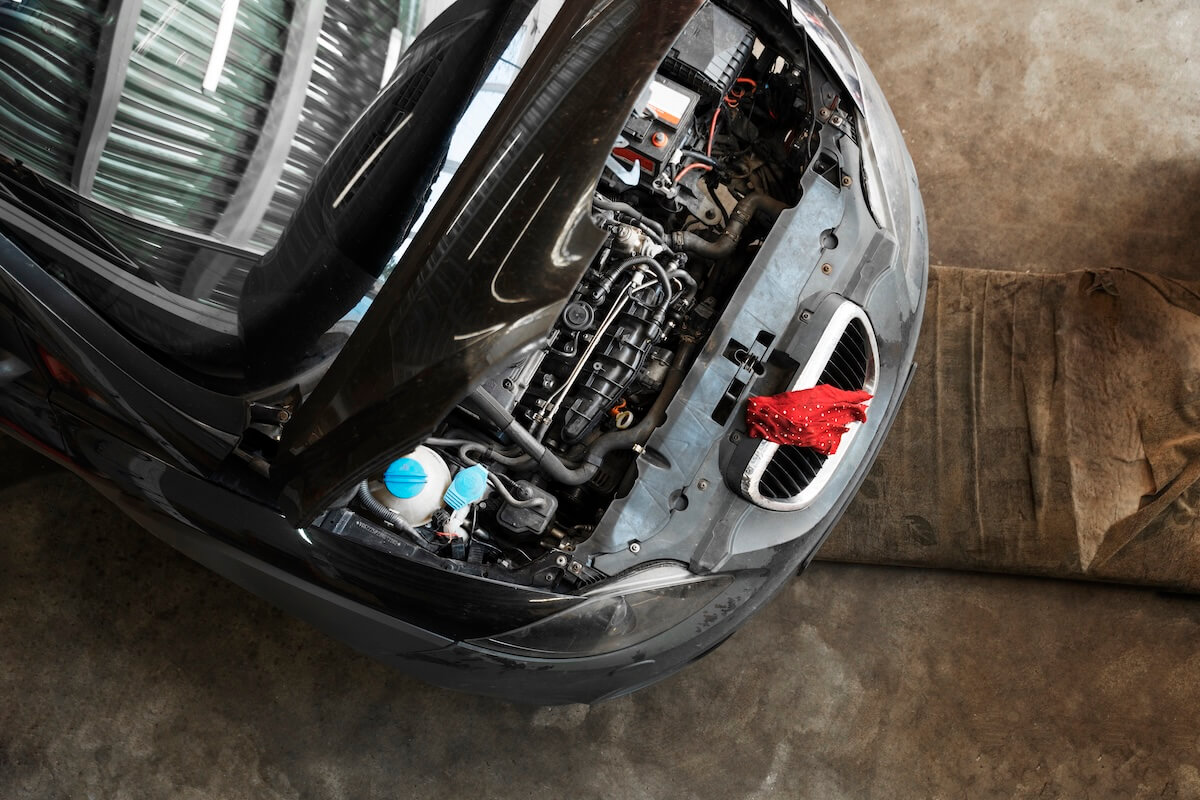

Decarbonization, what is it?
Decarbonization is basically the removal of carbon deposits that accumulate on internal engine components, such as valves, injectors, combustion chambers and filters.These deposits are generated by the incomplete combustion of fuels and can affect engine performance, reducing its efficiency and increasing pollutant emissions.The decarbonization process helps to restore the engine’s ability to operate optimally, with more efficient fuel consumption and lower CO₂ emissions.Engine decarbonization: Why is it essential?
In today’s world, where environmental regulations are becoming increasingly stringent, maintaining a clean and efficient vehicle is essential. Decarbonization is not only beneficial for the engine, but also for the environment. Carbon buildup in internal combustion engines increases CO₂ emissions, which contributes to climate change. Regularly decarbonizing vehicle engines reduces these emissions and improves overall vehicle efficiency.In addition, by removing the carbon, the engine can run more efficiently, which means less fuel consumption and less need for repairs in the long run.Importance of keeping the engine clean
A clean engine is key to ensuring optimal performance and extending engine life. Carbon deposits can build up in various parts of the engine, such as valves, injectors and combustion chambers. This reduces engine efficiency and generates more pollutant emissions.Keeping the engine clean also prevents major long-term damage. When the engine is free of carbon deposits, wear is reduced, vibrations are reduced and the overall performance of the vehicle is improved. This not only improves the driving experience, but also avoids higher fuel consumption and the occurrence of serious mechanical problems.Long-term benefits of decarbonization
Engine decarbonization not only has an immediate impact on improving performance, but offers long-term benefits. Some of the most prominent include:- Reduced fuel consumption: by removing carbon deposits, the engine becomes more efficient, which reduces the amount of fuel needed to operate.
- Decreased CO₂ emissions: A clean engine produces fewer pollutants, which is crucial in the fight against climate change.
- Increased engine durability: Keeping the engine clean prevents premature wear of its components, which reduces the need for repairs and prolongs its service life.
- Improved engine performance: A carbon-free engine offers a smoother ride, consistent power and greater responsiveness.
Oxyhtech engine decarbonization methods
Oxyhtech offers several decarbonization methods to adapt to different needs and types of vehicles:- Oxyhydrogen (Hydrogen and Oxygen) Decarbonization: This is the main method, which is carried out through the use of specialized decarbonizers that generate oxyhydrogen. This method is efficient, fast (lasts between 30 and 60 minutes) and non-invasive, as it does not require disassembling any part of the engine.
- Additive Decarbonization: We also use specialized additives that help clean the injection system, valves and other parts of the engine. These additives facilitate the removal of carbon deposits in a process that can be carried out during the engine’s normal operating cycle, often as a complement to oxyhydrogen treatments.
- Manual Decarbonization: For large displacement vehicles or special cases, we offer more complex systems that allow manual deep cleaning, in certified workshops, using the latest technology machines for a more detailed decarbonization
Oxyhydrogen for engine decarbonization
Oxyhtech’s oxyhydrogen technology uses a mixture of hydrogen and oxygen, which when injected into the engine, improves combustion and allows deep cleaning of carbon residues accumulated in various parts of the engine. This process, known as controlled pyrolysis, is carried out through dry decarbonization, which allows the deposits to be dissolved without the need to disassemble any parts.How does Oxyhydrogen decarbonization work?
Oxyhydrogen decarbonization follows an innovative process consisting of the following steps:- Oxyhydrogen Eneration: Oxyhtech uses a system that combines oxygen and hydrogen to create a perfect mixture of oxyhydrogen, a highly flammable gas that improves combustion in the engine.
- Engine Injection: This mixture is injected into the engine’s intake system. The high temperature generated during combustion removes carbon residues accumulated on valves, injectors, pistons and other engine components.
- Controlled Pyrolysis: Oxyhydrogen combustion promotes pyrolysis of the char, a process in which solid residues disintegrate into gases, which are then expelled through the vehicle’s exhaust system.
- Result: The engine is cleaner, more efficient and performing better, and the risk of mechanical failure related to carbon buildup is reduced.
Benefits of Oxyhydrogen decarbonization
- Improved engine performance: By eliminating carbon residues, the engine regains its power, acceleration and combustion efficiency.
- Reduced emissions: Decarbonization helps reduce pollutant gas emissions, which helps the vehicle comply with environmental regulations.
- Increased fuel economy: A clean engine runs more efficiently, reducing fuel consumption.
- Longer engine life: The removal of carbon helps prevent premature wear of key engine components, extending engine life.
How to properly engine decarbonization systems
Engine decarbonization is a key process for maintaining optimum vehicle performance and reducing carbon buildup. However, to take full advantage of its benefits, it is essential to properly follow up after cleaning. Here’s how to do it:1. Monitor engine performance
After decarbonization, you will notice improvements in engine response, fuel consumption and emissions reduction. To make sure these benefits are maintained, pay attention to:- Smoother, jerk-free acceleration.
- Reduced fuel consumption compared to previous data.
- Less vibration or abnormal noises at idle.
- Less black smoke emissions in diesel engines.
2. Periodically check the intake and exhaust system.
Proper combustion and air flow are essential to prevent carbon build-up from building up again quickly. For this purpose, it is recommended:- Air filter check every 10,000 – 15,000 km.
- Cleaning of the EGR system and turbo in diesel engines to avoid blockages.
- Checking the DPF (Diesel Particulate Filter) in vehicles with this type of engine.
3. Use Quality Fuels and Additives
Fuel quality directly influences carbon formation. To prolong the effects of decarbonization:- Use good quality fuel, avoiding gasoline and diesel with high impurity content.
- Consider the use of recommended cleaning additives to keep the injectors and combustion chamber clean.
- Do not abuse low-cost fuels, as they usually contain more residues and generate more deposits in the engine.
4. Adopting Optimal Driving to Avoid New Buildup
The way you drive has a big impact on carbon buildup. To prevent the engine from fouling rapidly:- Avoid very short journeys and excessively smooth driving, as this does not allow the engine to reach adequate temperatures to burn off residues.
- Make progressive accelerations and use appropriate revolutions in diesel (2,000-3,000 rpm) and gasoline (3,000-4,000 rpm).
- Run the engine at high rpm for a few minutes on the highway to help burn residual deposits.
5. Schedule Periodic Decarbonization
The recommended interval for a new decarbonization depends on the use of the vehicle and the type of driving:- Every 20,000 – 30,000 km if you do a lot of urban commuting or drive a diesel.
- Every 40,000 – 50,000 km if you usually make long journeys and use good quality fuel.
- Annually, if you want to keep the engine in optimal condition, even if you do not reach the recommended kilometers.